


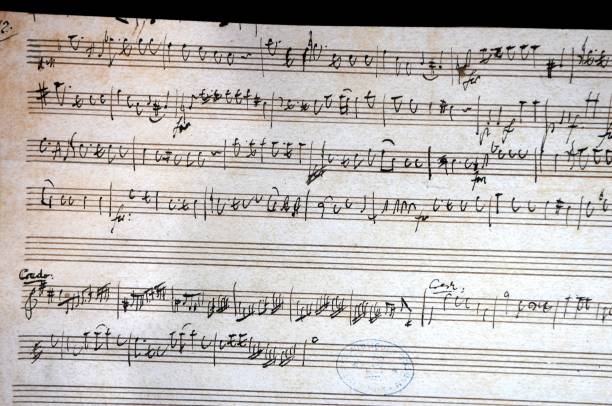
Realistically, there is no reason for us to listen to music, as it does not give us any advantage in survival. Yet we all listen to it, averaging 20.7 hours a week, not including background music in stores or restaurants. So, what does our mind do when we listen to music, and why is it so ingrained in history? For example, the oldest documented music is the Hurrian hymn no.6, written on a 3,400-year-old stone tablet by the Babylonians. I think it’s needless to say we have been making music for a very long time, and probably will for a much longer time.
When we listen to music, four sections of our brain activate the auditory cortex(sound), the hippocampus(memory), the amygdala(emotion), and the cerebrum(rhythm). Some genres activate some of those parts more than the other parts of the brain. For example, metal music connects more to the amygdala and the cerebrum, while pop music connects more to the auditory cortex. But there is also more to music than just neuroscience; music has a unique ability to resonate with parts of you that you didn’t know you had. This is the reason why people are so particular about their music, because their music is an extension of themselves. They could hold beliefs about their music as if they were listening to their music while doing a certain task, which would help them focus better on it.
Music is a carefully curated soundtrack for every phase of your life that evolves with you from the first time it hits your eardrums. So if you really want to get to know someone, listen to the same music they listen to because that is what their life could sound like at any moment. This is why a gifted playlist can feel so special because that person is essentially showing you a side of themselves. Even for most people, they have specific playlists for specific activities they do during that day. Some people have a condition that allows them to see music differently than you or me. This is called synesthesia, affecting 2-4% of the population, which is when sound triggers certain vivid colors or patterns that do not outright affect the person in a harmful way, and is considered a gift.
When a song gets stuck in your head, or you get an “earworm,” that’s your brain latching onto a simple and repetitive melody that it likes. This effect is similar to the “Zeigarnik Effect,” which is the same reason your brain remembers unfinished tasks, or in this case, when your brain feels like a song is unresolved or unfinished. So it recalls a particular part of the song and loops it until it can remember what comes next in the song, or you play it again and get an ending.