


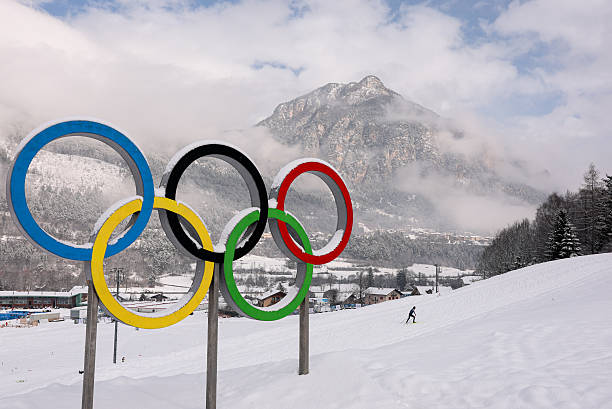
The 2026 Winter Olympics have begun! The opening ceremony took place on the 6th at the San Siro Stadium in Milan, Italy. The Games are hosted all across Milan, Cortina d’Ampezzo, and other locations in Lombardy and Northeast Italy, making it the first to be officially co-hosted by two cities.
As the years pass, the weather warms, making it more difficult for these games to take place. With signs of climate change dating back to the 1950s, evidence of temperatures rising approximately 6.4 degrees since then.
One of the most Immediate impacts of climate change is the increasing rate of scarcity of snow. Many Winter Olympic venues, which are traditionally reliable for their snow conditions- fresh, dry, and fluffy snow- are now experiencing less predictable weather conditions, including scarce snowfall and shorter winter seasons than usual.
This can force event organizers to rely on artificial snow. Though it varies by sport, Winter sports generally require a first layer of approximately 4-6 inches of packed snow to prevent equipment from hitting the ground and injuries to athletes. With almost 12-24 inches of packed snow needed for the safest conditions, especially for downhill skiing.
When asked about the use of artificial snow at the 2022 Beijing Olympics (which has been estimated to have used almost 50 million gallons of water), CEO Justin Francis said, “This is the world’s showcase of winter sport, and it’s extraordinary to host it in a place dependent on artificial snow. The Olympics inspire us about sport, but also about doing our bit to sustain the planet. This is the ideal platform, and it’s the wrong message.”
At the start of the games, athletes said there was a wintry feel and prepared to dress warmly. As the town was sprinkled with snow on Sunday afternoon, temperatures ended up reaching about 40 degrees Fahrenheit, feeling even warmer when in the sun, according to thehill.com.
Cortina d’Ampezzo first hosted the Winter Olympic Games in 1956, marking many special moments, including, for the first time, a woman taking an Olympic oath, as well as one of the first televised Olympic Games across 8 nations. Since then, average February temperatures have consistently risen, complicating the scheduling for these games and the snow reliability for the International Olympic Committee.
Unfortunately, climate change and the way it affects winter sports are not something we can just fix. It has been a recurring issue as it progressively worsens, causing warmer temperatures and worsening conditions for winter sports.
So what can we do about this? There is 2 different ways that we are able to approach this issue, one way would be finding more ethical ways of producing artificial snow. Some key practices can include using eco-friendly, biodegradable, or mieral-based additives such as feldspar, to facilitate freezing. Another approach to the harsh reality of climate change includes key actions such as switching to renewable energy and using different energy-efficient snow-making technology. As well as reducing the carbon footprint of operations, and advocating for policy change.