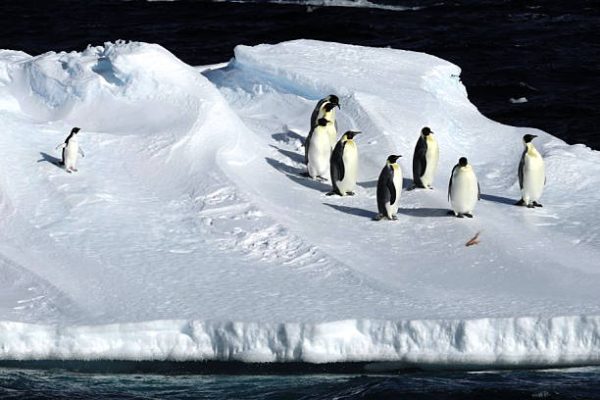


The Emperor penguins are now labeled as endangered by the Worldwide Tracking Organization. Originally, they were labeled as near-threatened to now endangered. Climate change is pushing them closer to extinction. Emperor penguins rely on the sea ice to live, hunt, and breed. With the heat reshaping the ice continent, the breakup and loss of the icy platforms have caused their numbers to plummet.
IUCN- a global network of scientists, governments, and conservation groups- said changes in sea ice caused by climate change were expected to cut the population in half by 2080.
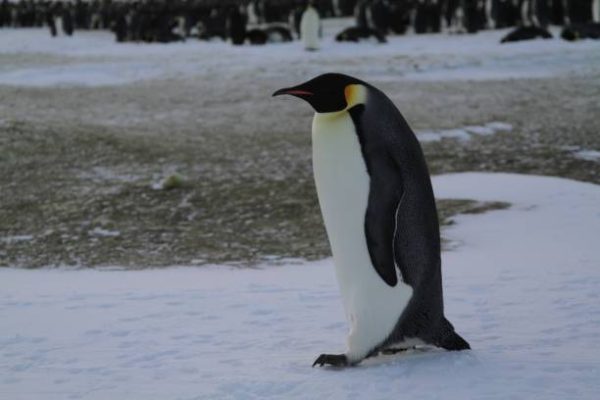
Emperor penguins depend on the stable Atlantic sea ice for at least 9 months to mate, raise their babies, and molt. In 2022, four out of the five breeding sites in the Bellingshausen Sea collapsed, leaving chicks either freezing or drowning. The WWF-funded research using satellite imagery has now documented an estimated 22% of regional population decline in Western Antarctica between 2018 and 2023, which is way worse than certain models predicted.
Emperor penguins need fast, solid ice to care for their chicks and molt, and if the ice broke too soon, it would be deadly. The ice is their habitat for the chicks’ molting season; the chicks can’t handle water as well as the adults, since they are still developing. If the ice breaks too soon, while they are molting, they will likely drown from not being able to swim.
Early sea-ice break-up in spring is already affecting colonies around the Antarctic, and further changes in sea-ice will continuously affect their breeding.