

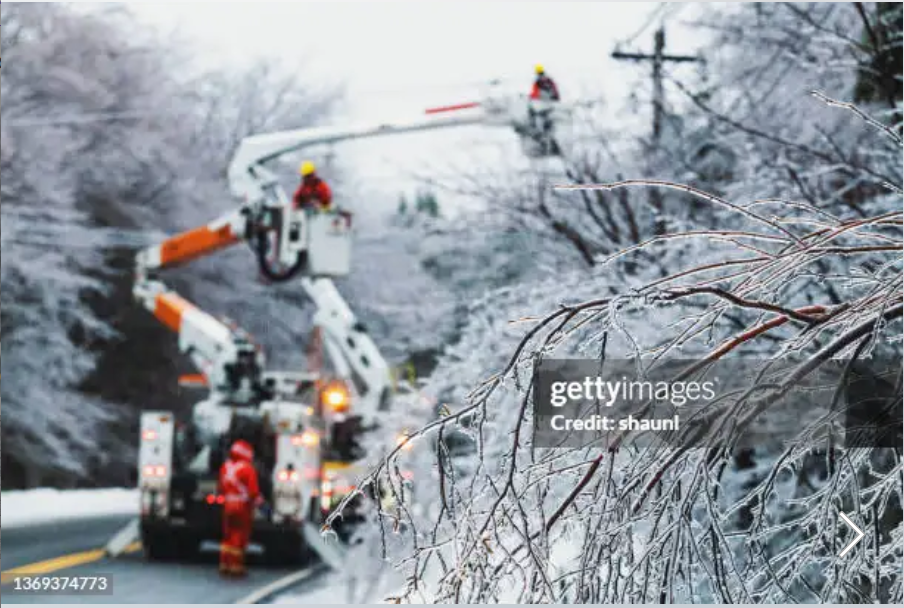
A powerful winter storm, called a “bomb cyclone,” recently hit the southeastern United States and brought very cold temperatures to much of the East Coast. This storm showed how extreme weather can affect people’s daily lives, damage communities, and put many people in danger. It also came just after another icy storm that had already caused many deaths, so many areas were already struggling when this new storm arrived.
According to CBS News, as the storm moved through the Southeast, it dropped heavy snow and created blizzard-like conditions. The city of Charlotte, North Carolina, had one of its biggest snowfalls in years, with around a foot or more of snow in some places. Even after the storm started moving out into the Atlantic Ocean, its effects did not stop. High winds, coastal flooding, and very cold air continued to cause problems. Officials blamed at least three deaths on this storm alone: two in North Carolina and one in Tennessee.
The cold air from the storm spread over a huge area and was especially harsh for the South, where people are not used to such low temperatures. About 150 million people in the eastern United States were under cold-weather advisories or extreme cold warnings. In many southern states, wind chills dropped to near zero or into the single digits. South Florida had its coldest air since December 1989. The cold affected not only people, but also animals and crops. In South Florida, iguanas became so cold that they went stiff and fell from trees. They usually wake up when it gets warmer, but if the cold lasts too long, they can die. Farmers in Florida also worried about their strawberries and oranges, and they sprayed water on their plants so that a layer of ice would protect them from even colder air.
Travel and transportation were heavily affected by the storm. Thousands of flights were canceled over the weekend. On Saturday, there were almost 2,500 cancellations, and around 1,500 more on Sunday. Charlotte Douglas International Airport was hit especially hard, with more than 800 flights canceled there alone. Roads were also dangerous. North Carolina’s governor, Josh Stein, asked people to stay off the roads, and the state reported more than 1,000 car crashes over the weekend. One crash on Interstate 85 involved dozens of trucks and caused a long traffic backup, even though no one was seriously hurt.
In the end, this story is not only about snow and low temperatures. It is about how one major weather event can reveal the limits of our systems and the risks to people’s lives. As extreme weather becomes more common and sometimes more severe, it will be important for both individuals and leaders to plan, protect those who are most at risk, and make sure that communities can recover quickly when storms like this hit.