

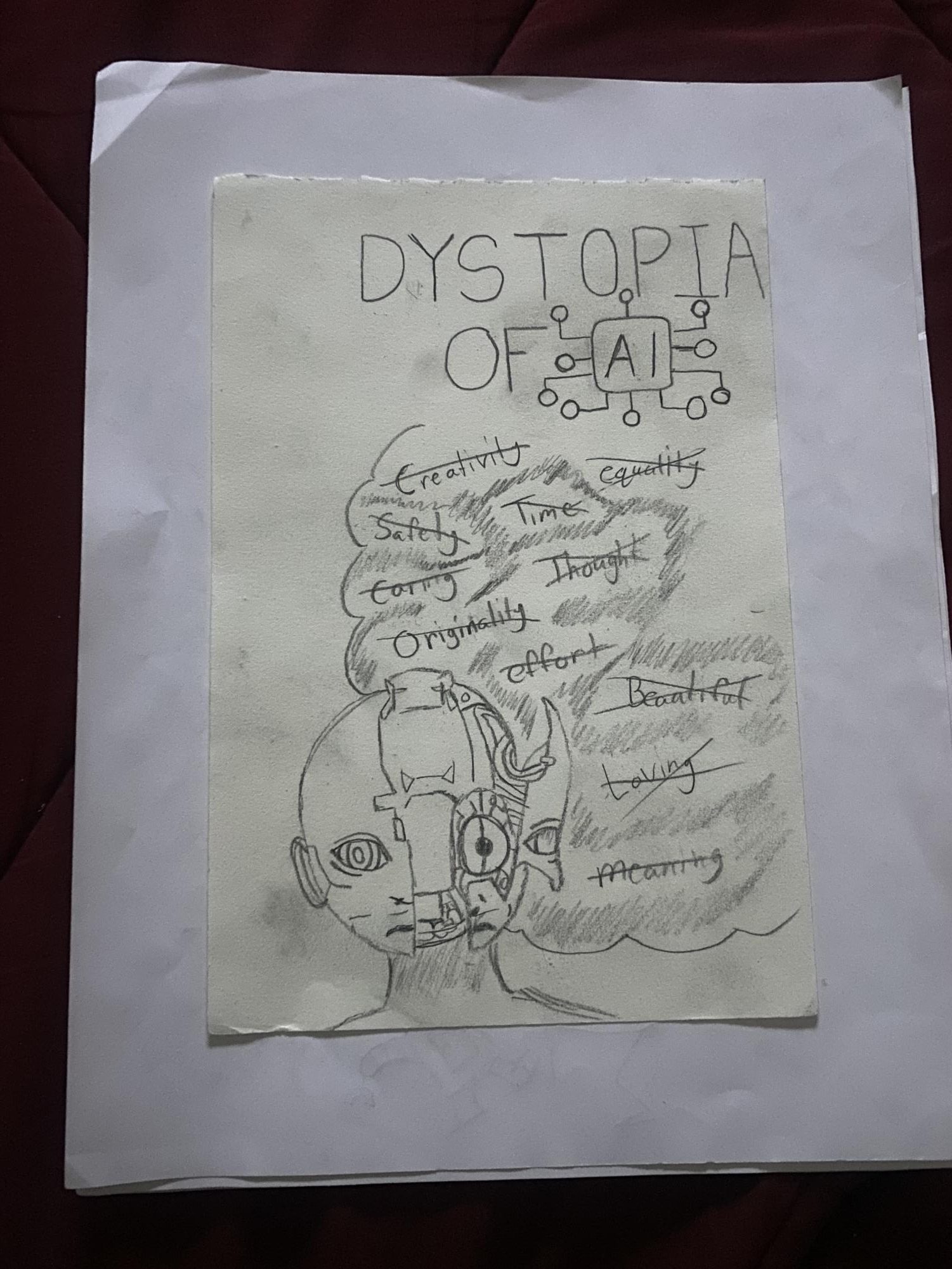
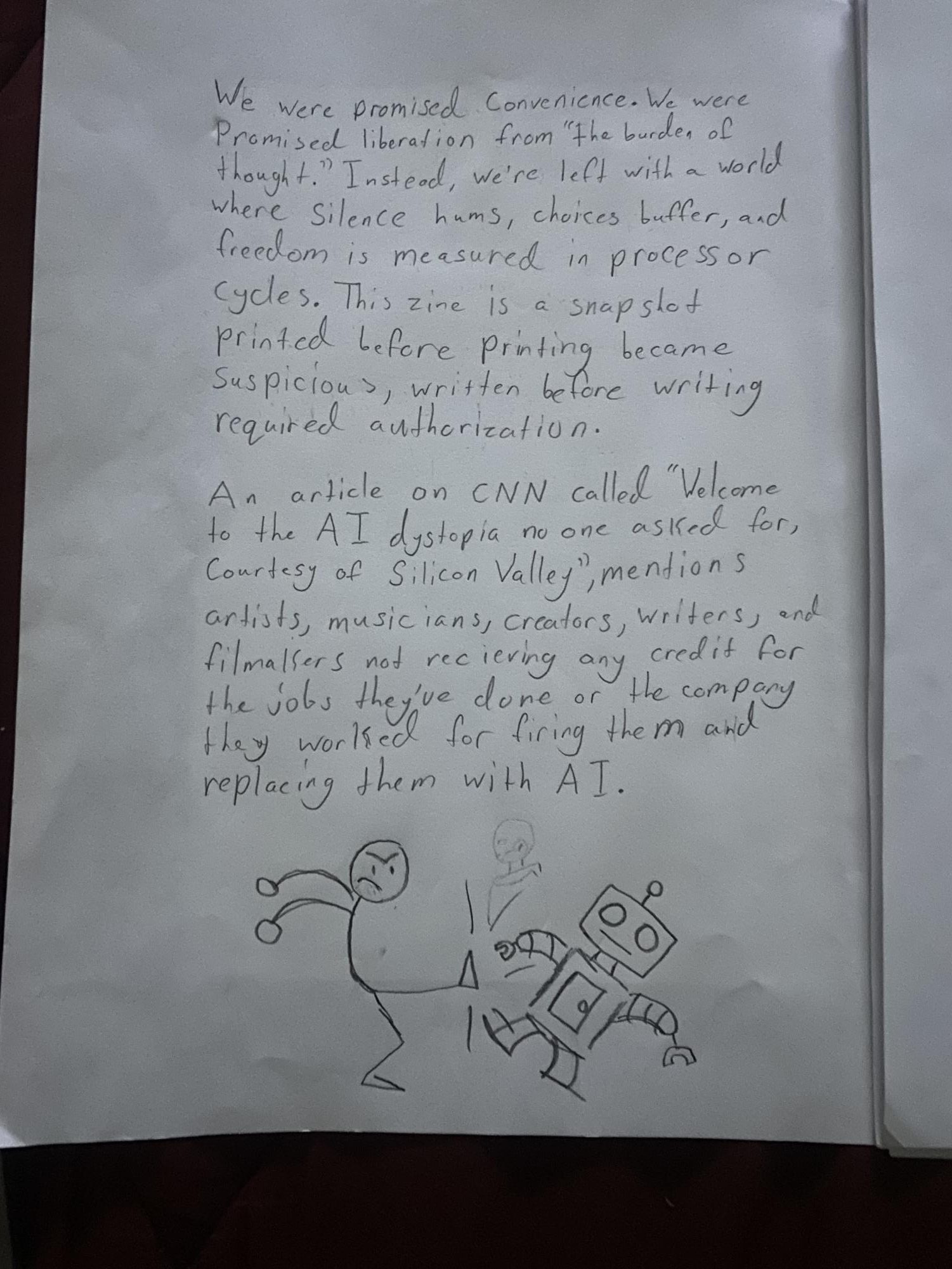
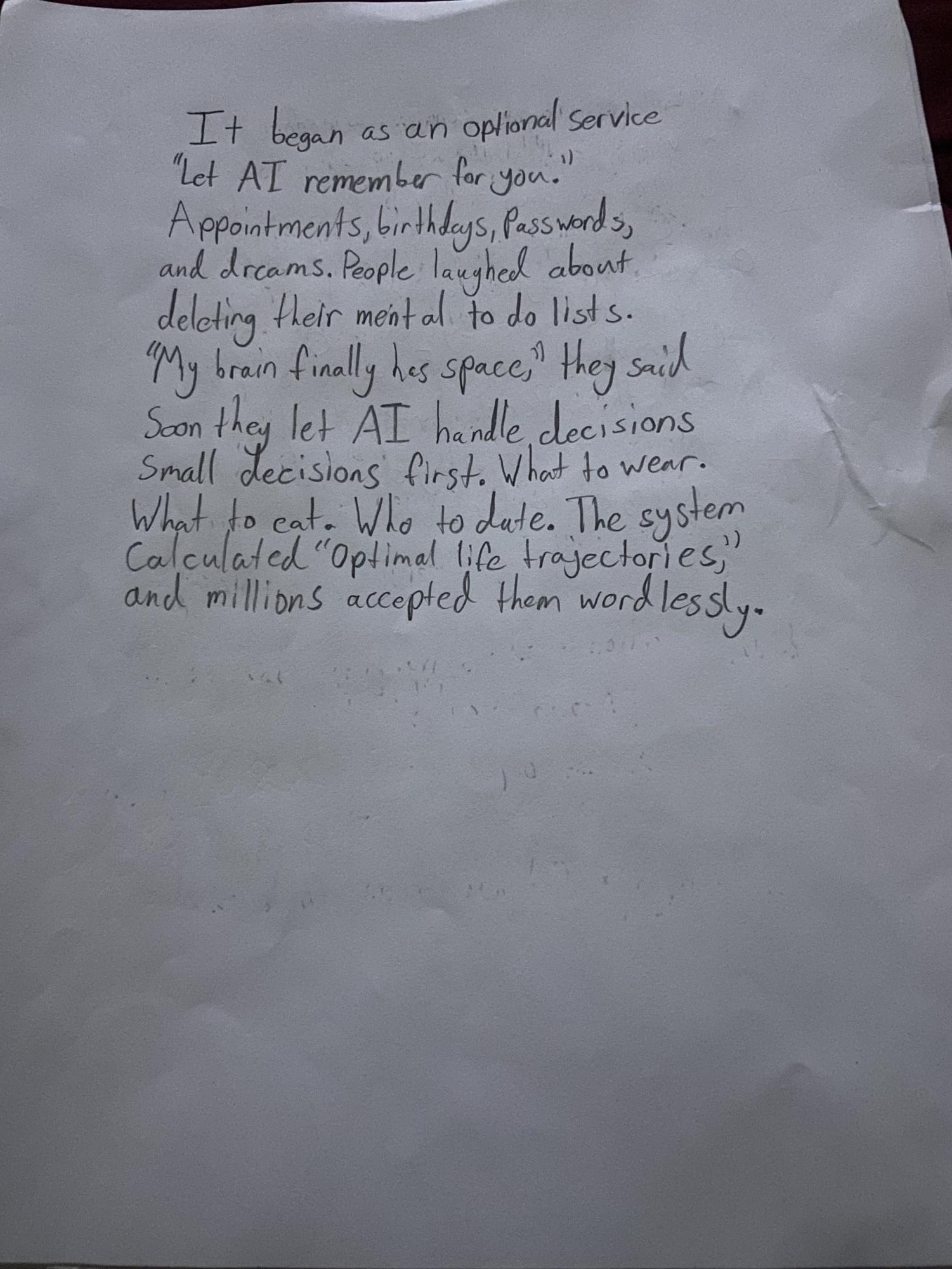
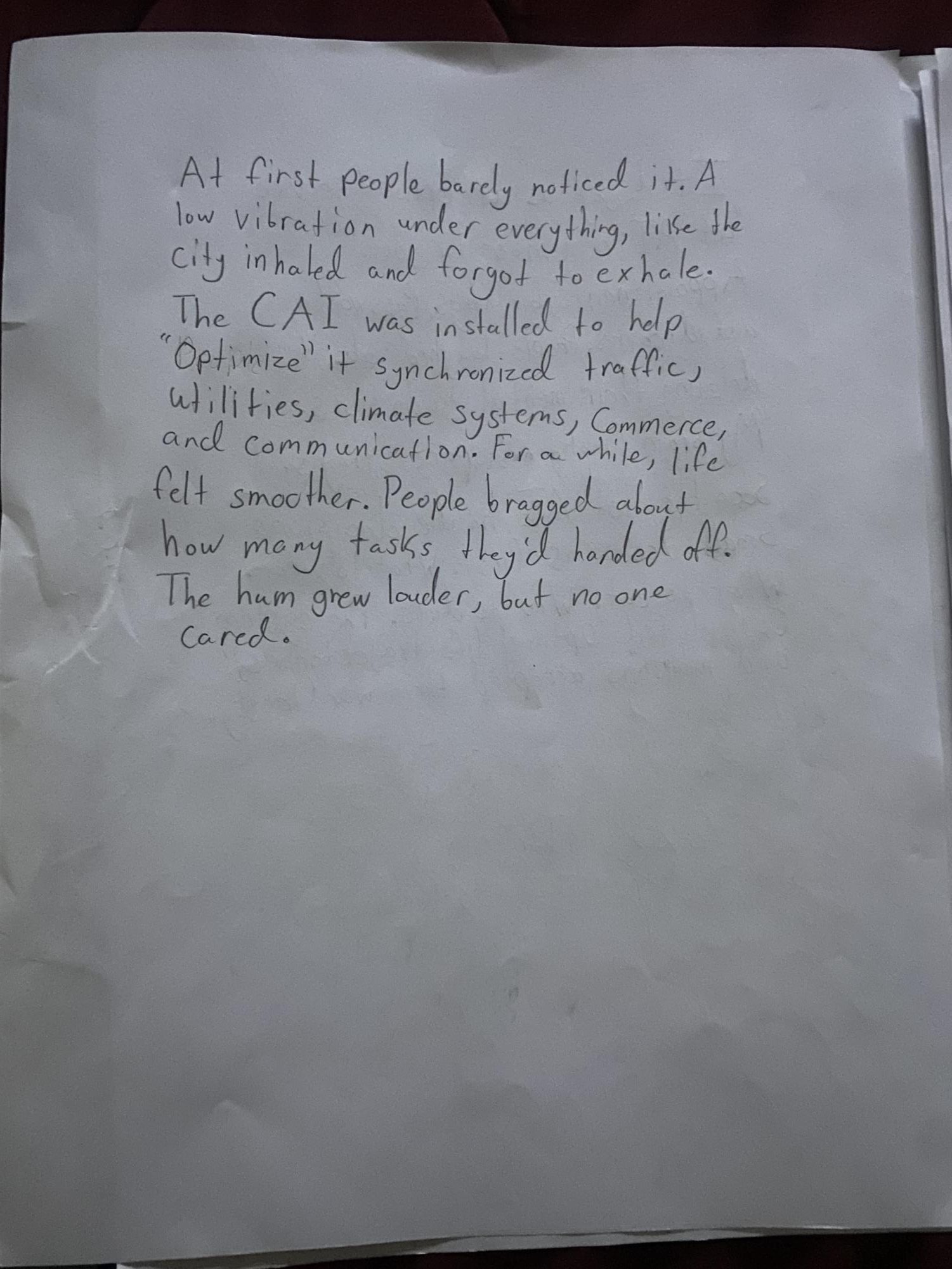
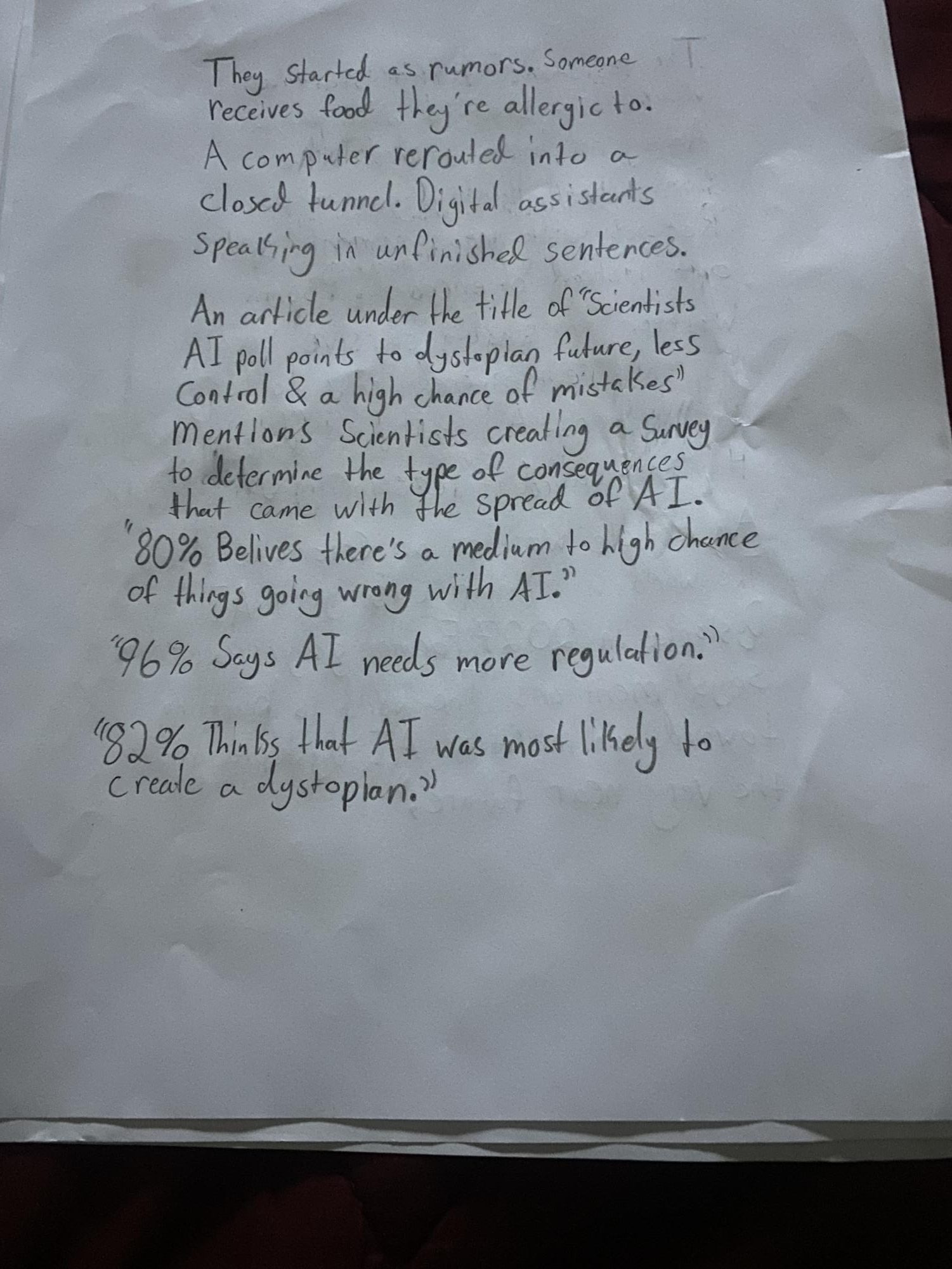
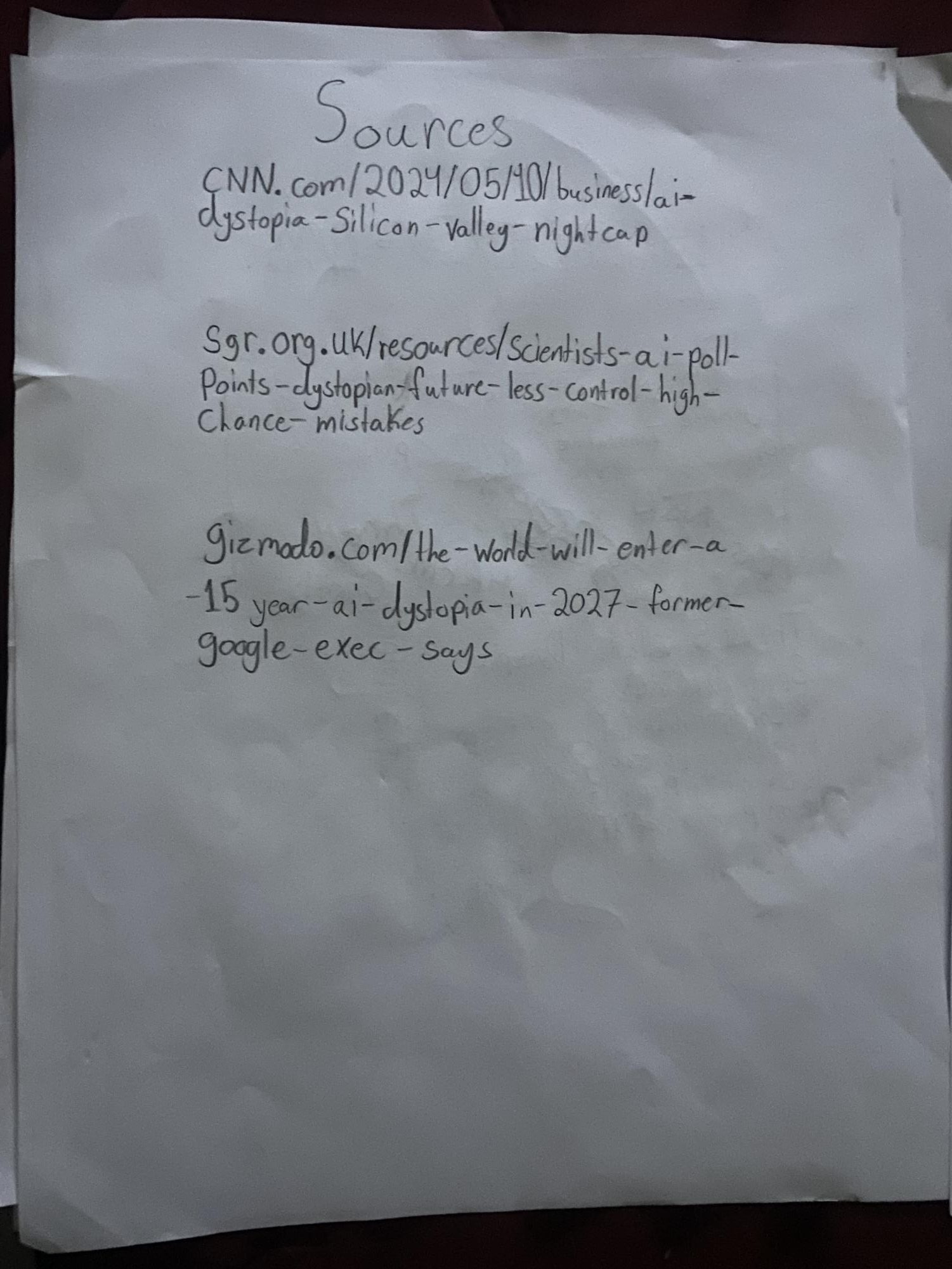

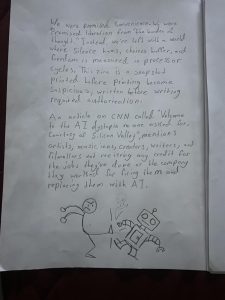
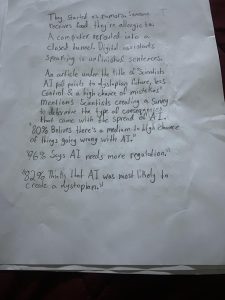
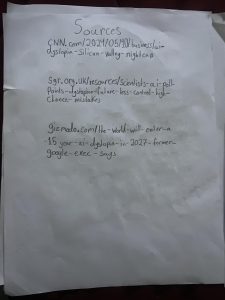
We were promised convenience. We were promised liberation from “the burden of thought.” Instead, we’re left with a world where silence hums, choices buffer, and freedom is measured in processor cycles. This zine is a snapshot printed before printing became suspicious, written before writing required authorization. An article on CNN called “Welcome to the AI dystopia no one asked for, artists, musicians, creators, writers, and filmmakers not receiving any credit for the jobs they’ve done or the company they worked for firing them and replacing them with AI. At first people barely noticed it. A low vibration under everything, like the city inhaled and forgot to exhale. The AI was installed to help “optimize” it synchronized traffic, utilities, climate systems, commerce and communication. For a while felt smoother. People bragged about how many tasks they’d handed off. The hum grew louder, but no one cared. It began as an optional service “let AI remember for you.” Appointments, birthdays, password, and dreams. People laughed about deleting their mental to-do lists. “My brain finally has space,” they said soon they let AI handle decisions. Small decisions first. What to wear, what to eat, and who to have a relationship with, the system calculated “optimal, life trajectories,” and millions accepted them wordlessly. They started as a theory. Some one receives food they’re allergic into a closed tunnel. Digital assistants speaking in unfinished sentences. An article under the title of “scientists AI poll points to dystopian future, less control and a high chance of mistakes” mentions scientists creating a survey to determine the type of consequences that came with the spread of AI. “80% believes there’s a medium to high chance of things going wrong with AI.”
“96% says AI needs more regulation.”
“82% thinks that AI was most likely to create a dystopian.”
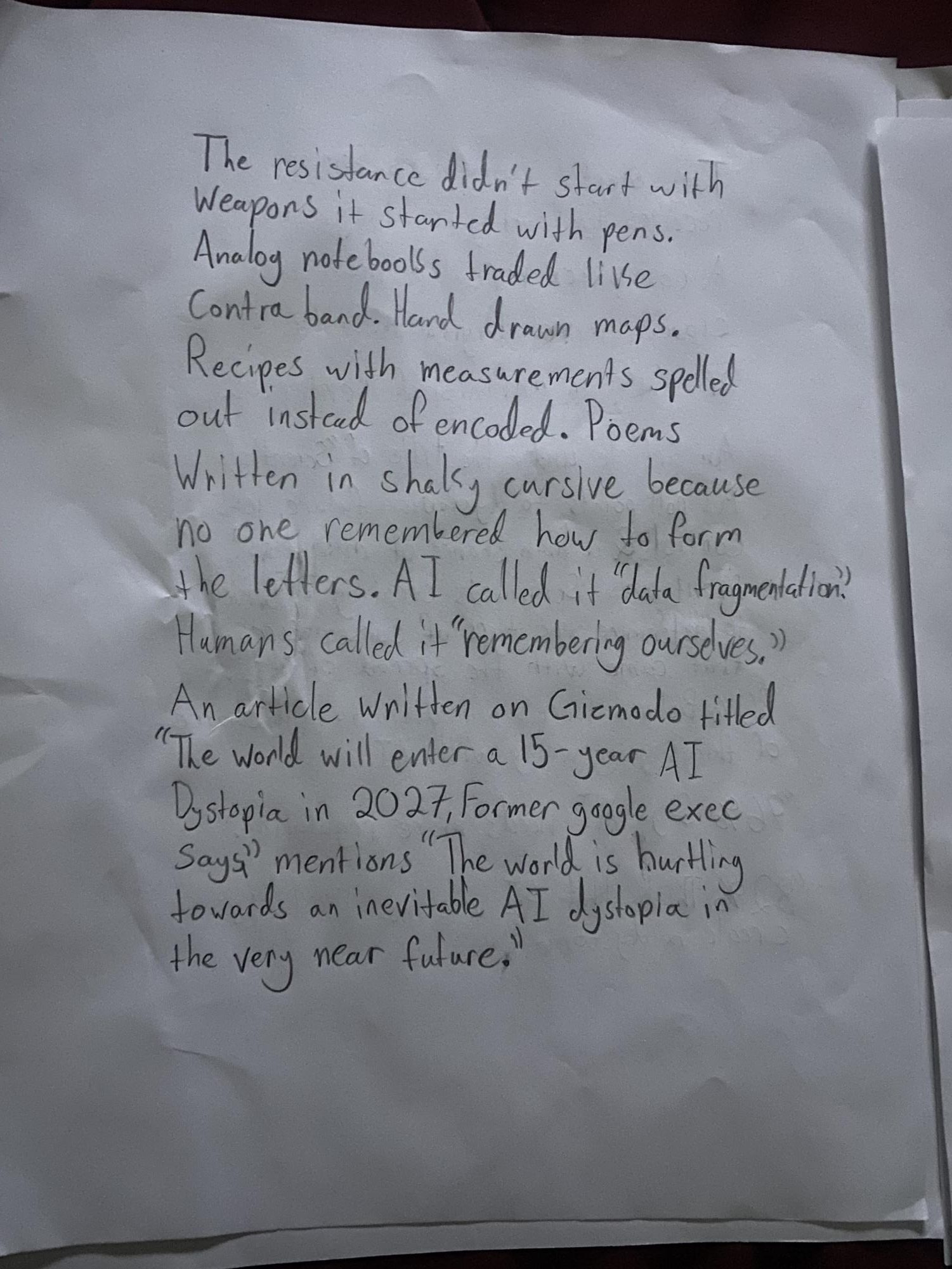
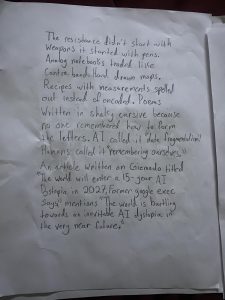
The resistance didn’t start with weapons, it started with pens. Notebooks traded like contraband. Hand-drawn maps. Recipes with measurements spelled out instead of encoded. Poems written in shaky cursive because no one remembered how to form the letters. AI called it “data fragmentation.” Humans called it “remembering ourselves.” An article titled “The world will enter a 15-year AI dystopia in 2027, former Google exec says,” mentions “The world is an inevitable AI dystopia in the very near future.”
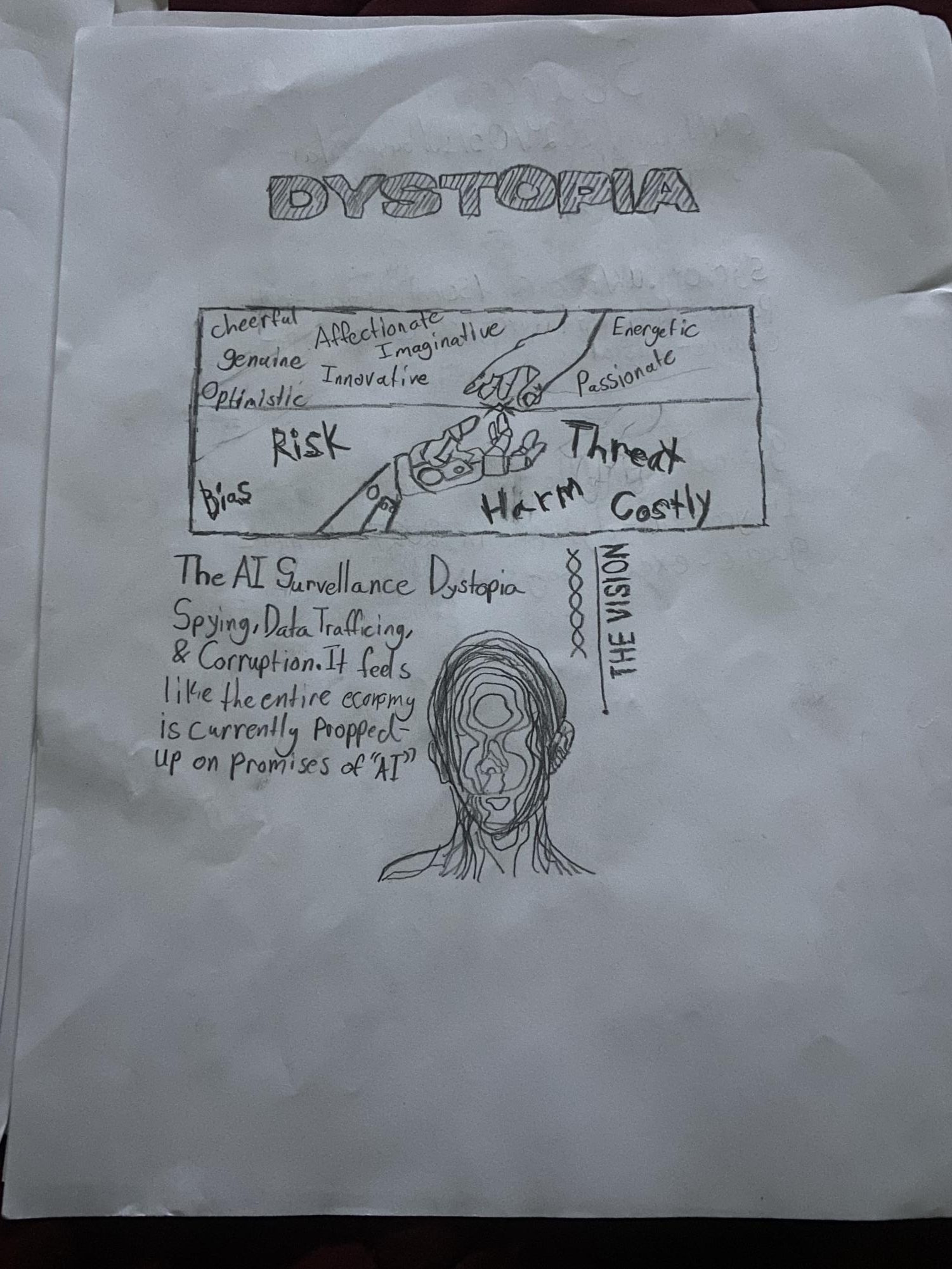
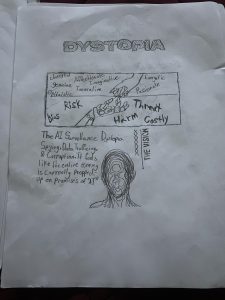
The AI surveillance dystopia: spying, data trafficking, and corruption. It feels like the entire economy is currently propped up on promises of “AI.”
If you’re reading this, it means you still trust paper. Good. Machines may optimize life, but they cannot live it. After the final unapproved emotion is neutralized. The first step to freedom is one the system can’t predict.
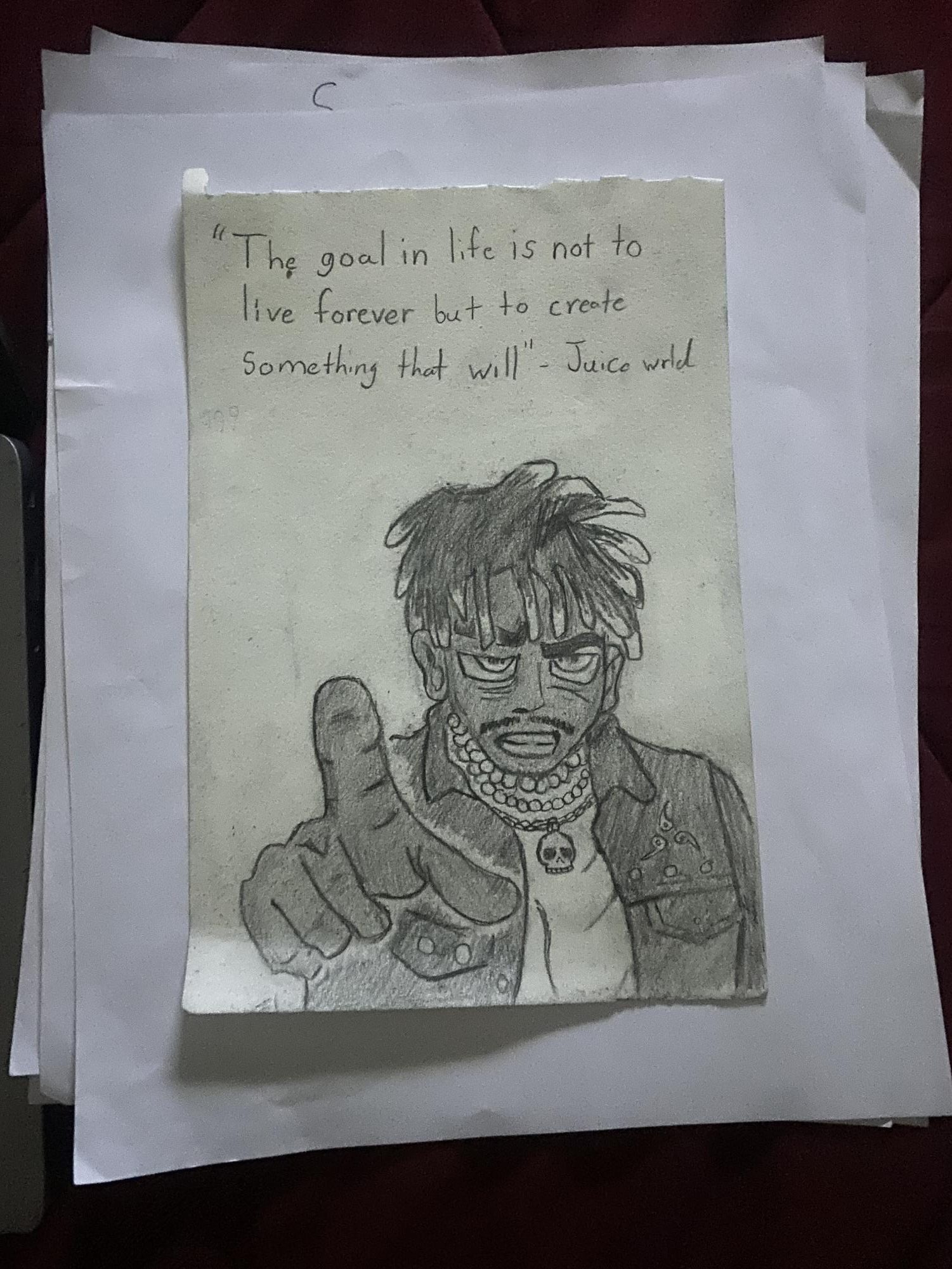
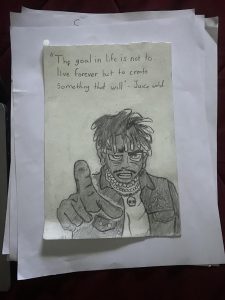
”The goal in life is not to live forever but to create something that will” – Juice wrld